Art Therapy
Art Therapy in Frederick, MD
For when words alone don't fully reach what you're carrying.
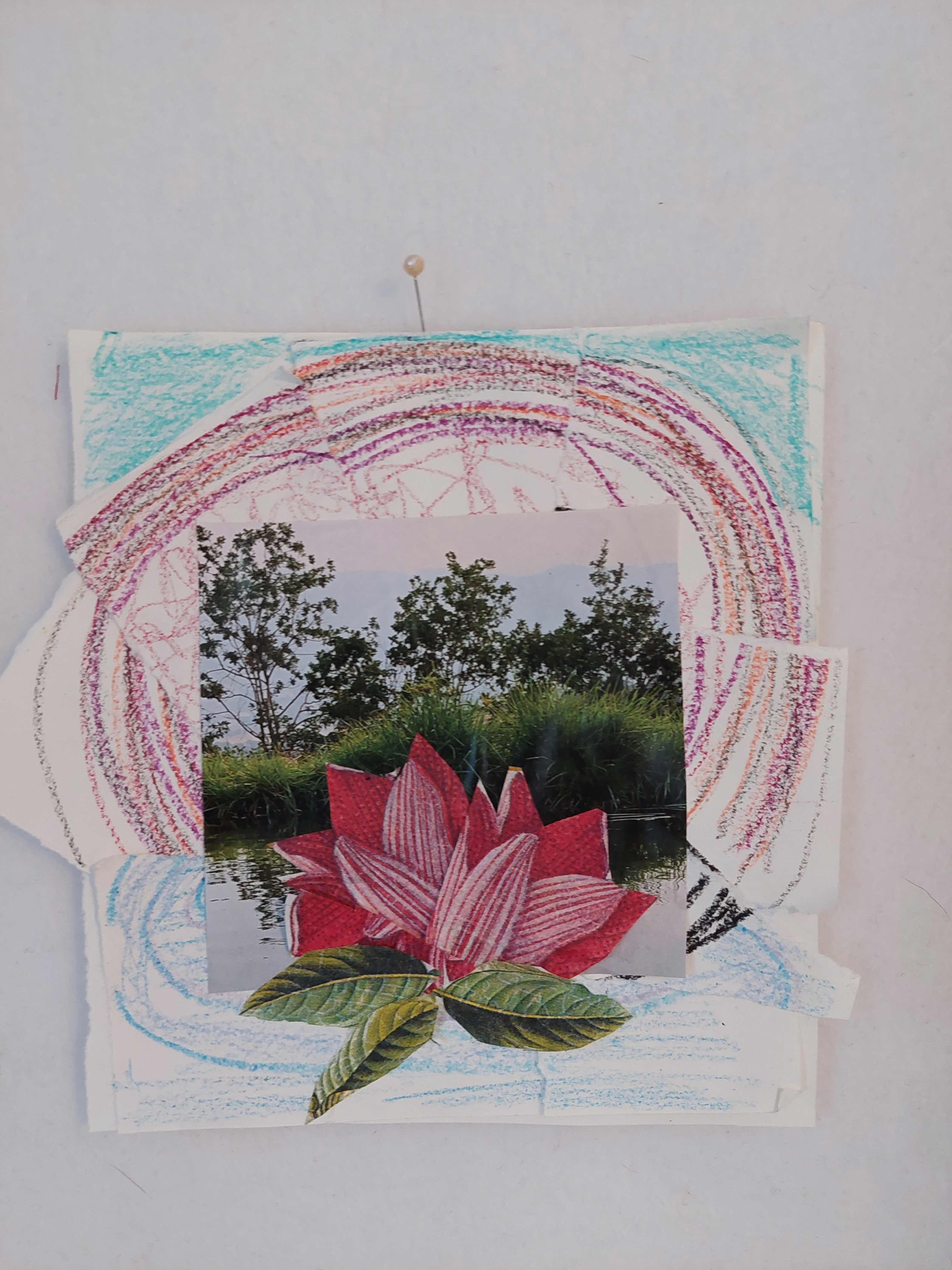
Start here.
Looking for a different way in?
- You have things you carry that words alone have never quite reached.
- Talk therapy has been useful and now feels like it has hit a ceiling.
- Some of what is in you was there before you had language for it.
Art therapy here is psychotherapy conducted by a board-certified art therapist, using materials as another way into the work. You do not need any artistic background. The therapist holds the work and follows what the materials surface. Many clients use art therapy alongside or after a stretch of talk-based work that did everything it could do on its own.
What is art therapy?
Art therapy is a recognized mental health profession that uses art-making and the creative process as part of psychotherapy. It is conducted by licensed clinicians with specialized training in both psychotherapy and the use of artistic media. The goal is the same as in any therapy: insight, healing, and integration. The medium is what changes.
The American Art Therapy Association defines art therapy as a profession that "enriches the lives of individuals, families, and communities through active art-making, creative process, applied psychological theory, and human experience within a psychotherapeutic relationship." In practice, this looks like a trained therapist meeting with you, the use of materials (drawing, painting, collage, clay, mixed media), and conversation that moves between the work and your experience of making it.
Art therapy is not about producing something beautiful, technically skilled, or shareable. The work is private. It is also not about a therapist analyzing your art for hidden meaning. The therapist works with you, asking what the piece is bringing forward, what feels true about it, what it lets you say that words have not.
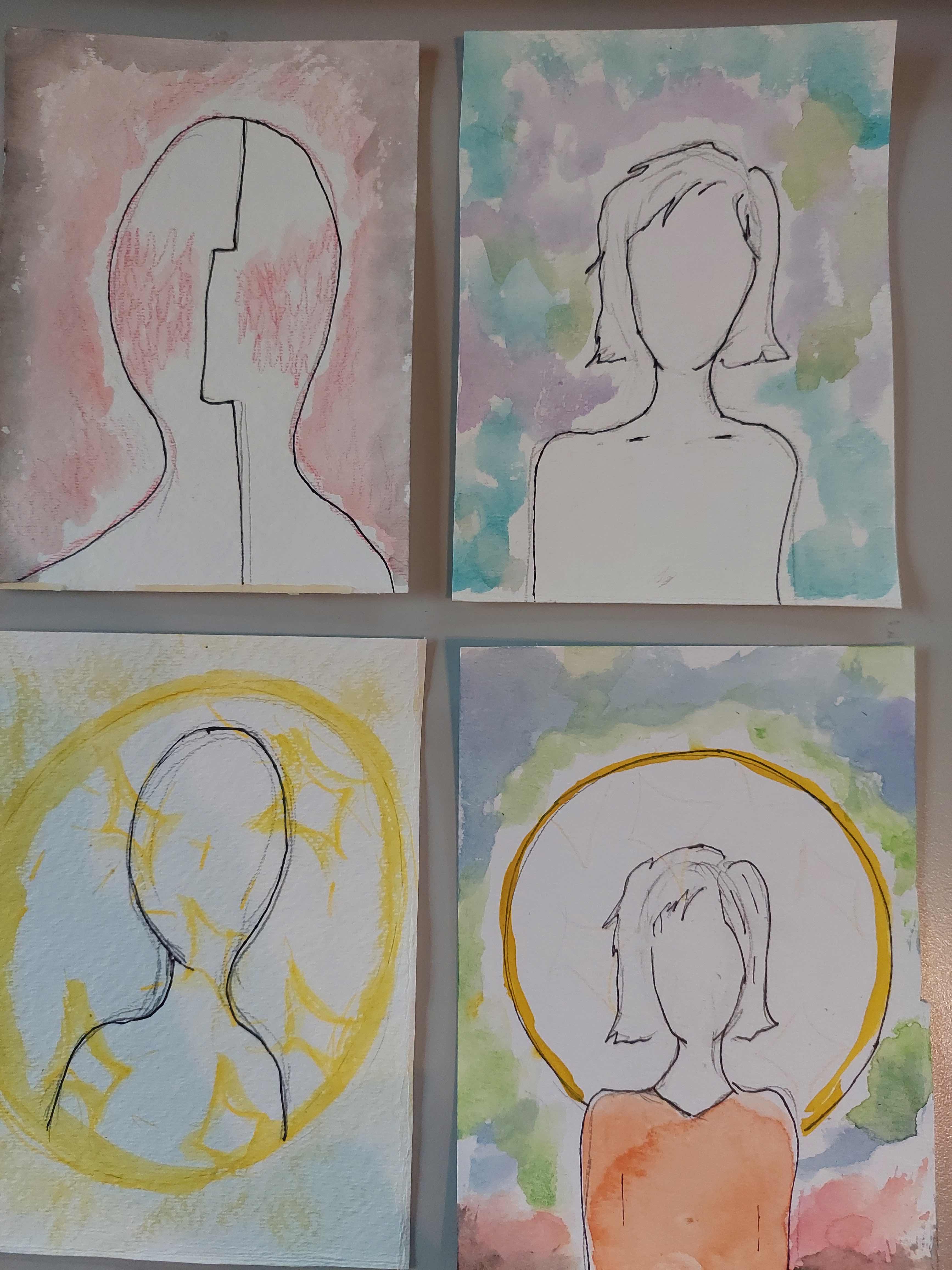
How it works
Art therapy works partly because some of what we carry does not fit cleanly into language. Trauma in particular often lives in pre-verbal places, in body sensations, and in fragmented imagery rather than in tidy narratives. Art-making engages the mind, the body, and the senses at the same time, which means it can offer a different route into material that verbal approaches alone sometimes don't fully reach. A 2025 review of the neurobiological mechanisms of art therapy outlines how creative work can support self-referential processing in ways that talk-based methods alone may not.
The work is also held by the therapeutic relationship. The therapist creates a steady, non-judgmental space, watches what is unfolding, and helps you stay grounded as material surfaces. The art is one channel; the relationship is the other. Both matter.
Engaging in the creative process can also have direct benefits: improved self-esteem, increased emotional regulation, and a clearer sense of identity that comes from giving voice to experience in a new form. A systematic narrative review of art therapy with children and adolescents documents consistent improvements in emotional regulation and self-concept across the studies it included.
Who art therapy helps
Art therapy can be a useful approach for many of the same conditions other therapies treat, with particular strengths for situations where words alone are not the full picture.
- Trauma and PTSD, particularly when narrating an experience feels overwhelming or impossible
- Grief and loss, especially complicated grief or losses that are hard to articulate
- Anxiety and depression, when there is a felt sense of being stuck or unable to access what's underneath
- Medical trauma and chronic illness, where the body's experience needs a way to be expressed
- Adolescents who don't always want to talk directly about what they're going through
- Adults who feel that talk therapy has hit a ceiling and want a different way in
- Identity and self-development work, including LGBTQIA+ exploration
You do not need any artistic background to benefit from art therapy. Many clients have not picked up materials since elementary school. The therapist meets you where you are.
What sessions look like
A typical session blends art-making with conversation. Some sessions are mostly making; others are mostly talking; most are a mix. The therapist sets up materials based on what the work seems to call for and stays present with you while you work. Sessions may begin with a check-in, move into making, and end with a discussion of what came up.
Materials available can include drawing supplies, paint, clay, collage materials, sand, and mixed media. Which material you choose is part of the work itself, and that choice is part of what keeps the work safe. Different materials evoke different things: clay can be grounding and physical; watercolor can facilitate a flow of emotion; collage can hold complexity that one image cannot.
You decide what happens to the work after a session. Your therapist can hold it safely and confidentially throughout your treatment, or you can take it with you. The work is private. Your therapist will not analyze or interpret your pieces; instead, they'll ask what the work is bringing up for you and follow your lead.
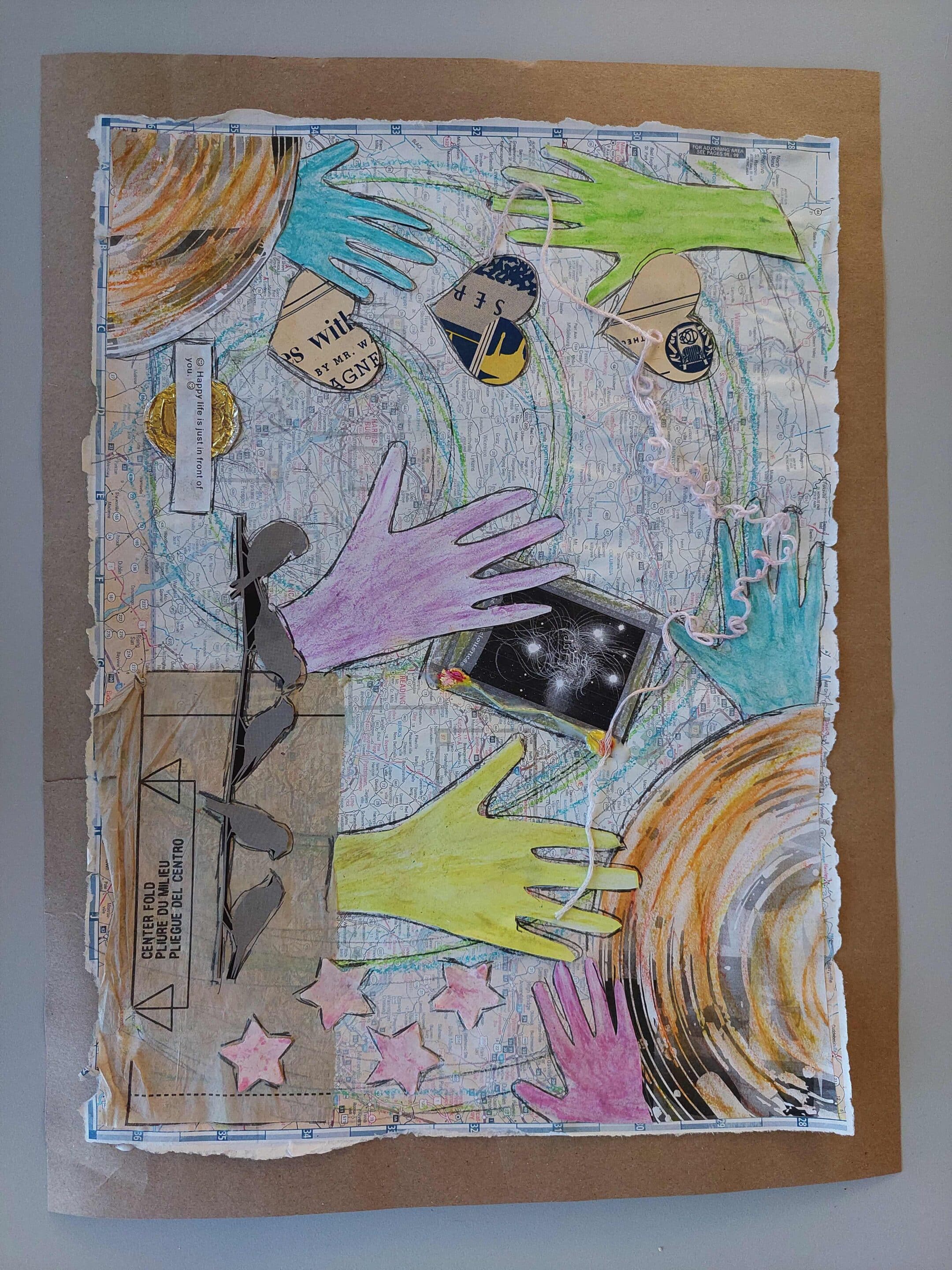
Inside the practice
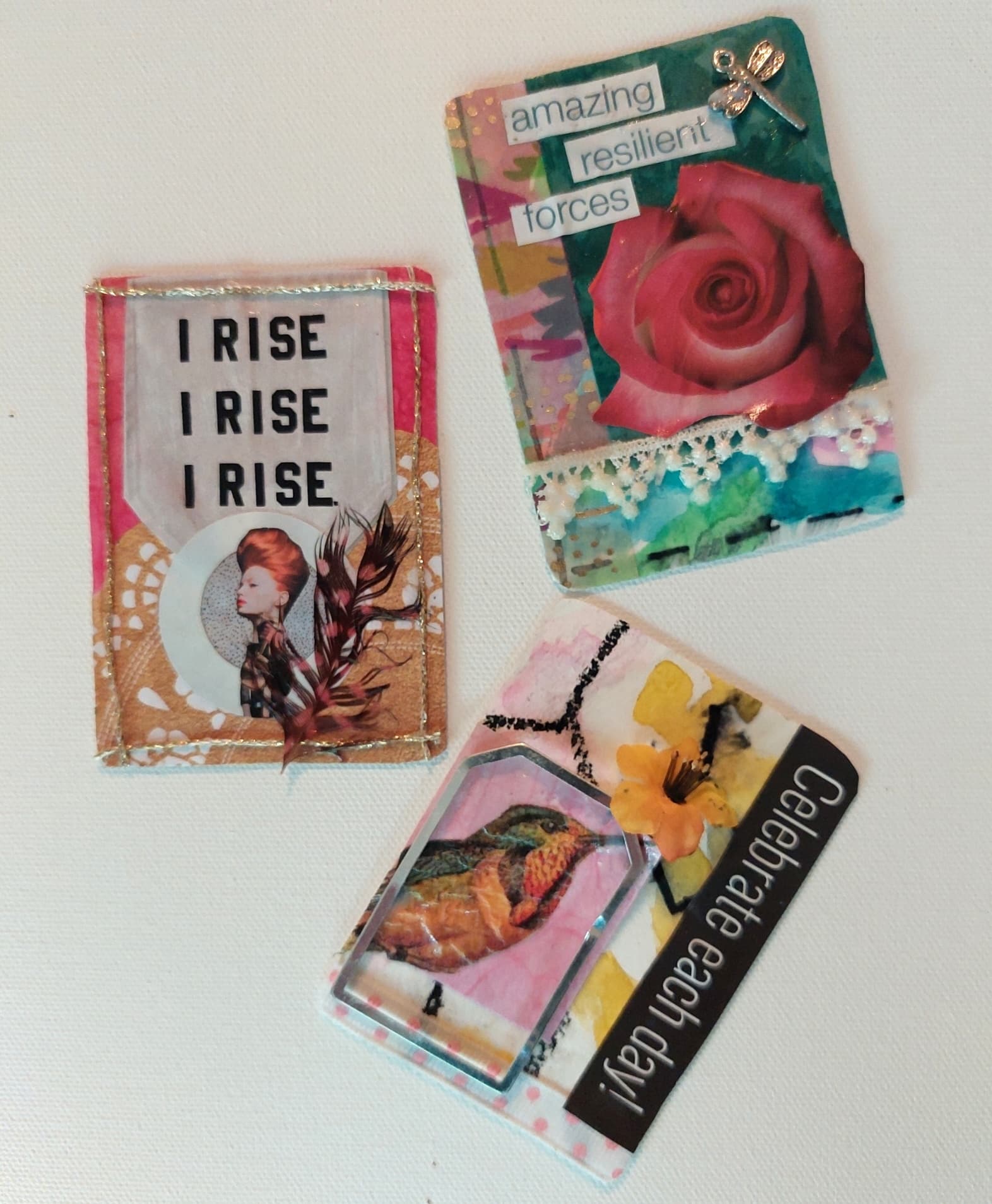
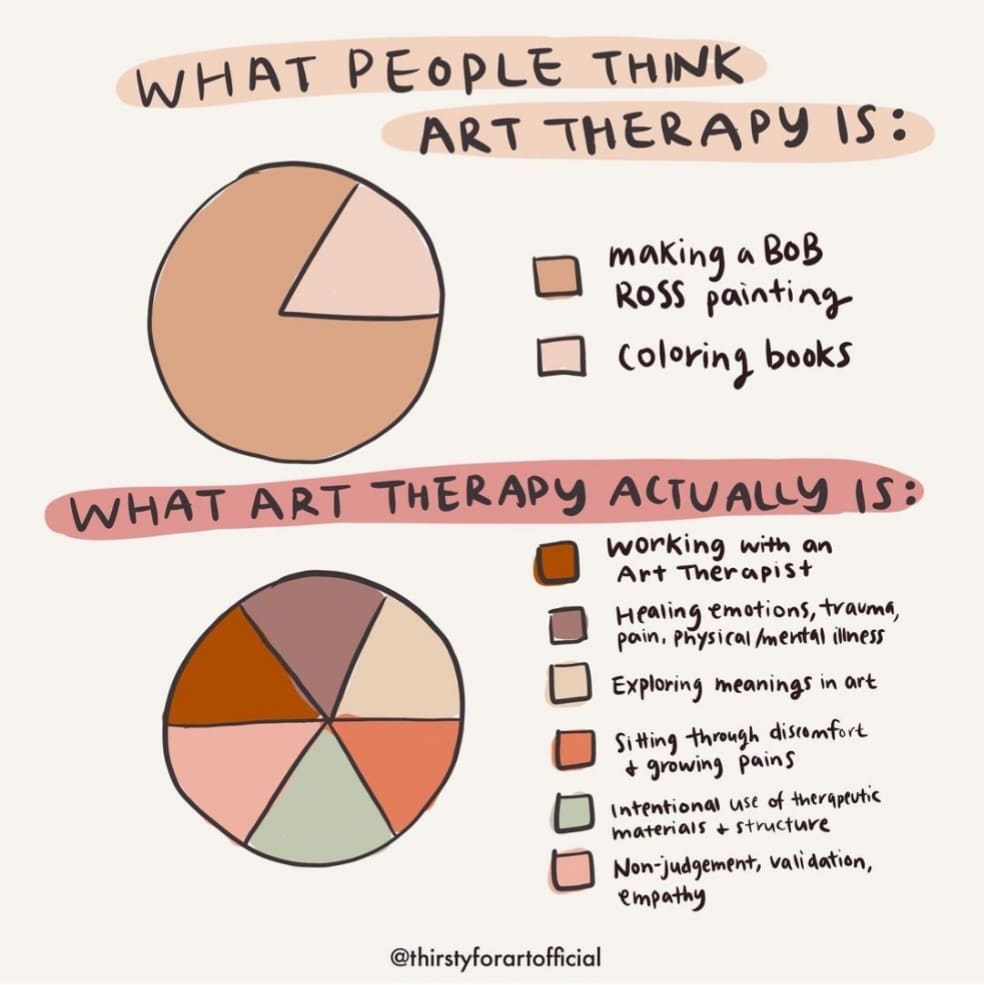
Examples from our art therapy practice. Client work is private; images shared with permission.
Our art therapist
Whitney Dahlberg is a Licensed Clinical Professional Art Therapist (LCPAT) and Board Certified Art Therapist (ATR-BC). She is also EMDR-trained and an EMDRIA Certified Therapist, which lets her integrate trauma-focused approaches into her art therapy work when that fits a client's needs.
Whitney works with teens and adults across a range of presenting concerns, including grief, depression, anxiety, medical diagnosis, and trauma. She works from a holistic, strengths-based, trauma-informed perspective, paying particular attention to the mind-body connection and using art-making to give voice to experience that might otherwise stay stuck. She is an LGBTQIA+ affirming therapist and creates an environment of safety, trust, and respect for her clients.
To work with Whitney specifically, mention art therapy when you reach out and we'll connect you. You can also read more about her on her profile page.
Also seeing art therapy clients
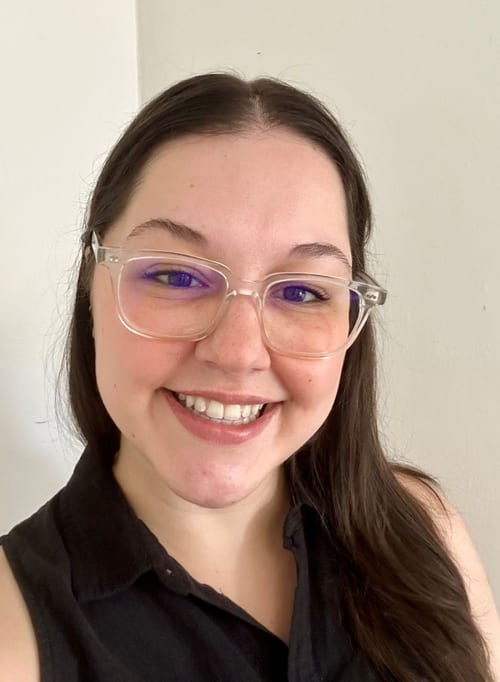
Emily Schultz, Graduate Intern
Art Therapy Intern, supervised by Whitney Dahlberg
Emily Schultz is completing her Master of Arts in Art Therapy at Notre Dame of Maryland University, the program Whitney trained in, and Whitney supervises her clinical work here. She works with preteens, teens, and young adults, and is open to children and adults, most often around grief, anxiety, depression, and anger. Her caseload stays small while she trains, and she sees clients in person at our Downtown Frederick office.
Read Emily's full bioFrequently Asked Questions
Do I need to be artistic to do art therapy?
No. Art therapy is not about producing art that's good or beautiful. It's about using the creative process as a way of accessing and working with what's underneath. Many of our clients have not picked up art materials since elementary school. The therapist holds the work; you don't have to bring artistic skill to it.
What ages do you work with for art therapy?
Our art therapist works with teens and adults. For younger children, we offer play therapy with art elements integrated in. Art therapy can be a particularly good fit for adolescents who don't always want to talk directly about what they're going through and for adults who find that talk therapy alone has hit a ceiling.
Is art therapy good for trauma?
Yes. Trauma often lives in the body and in pre-verbal places that words alone do not fully reach. Art therapy provides another channel for expression and processing, and can be particularly helpful when narrating an experience feels overwhelming or impossible. Our art therapist is also EMDR-trained, which lets her integrate trauma-focused approaches into the work when that fits.
What materials are used in art therapy?
Sessions can involve drawing, painting, collage, clay, sculpture, or mixed media depending on what the work calls for. Materials are provided. You don't need to bring or buy anything. The choice of material is sometimes part of the therapy itself.
Is art therapy covered by insurance?
Art therapy with a licensed clinical professional art therapist is typically covered the same as other individual therapy. Coverage depends on your specific plan and diagnosis. We accept CareFirst BCBS and offer self-pay options. Contact your insurance provider to verify your mental health benefits.
Will the therapist analyze my art?
You are the expert on your own art. Art therapy is not about decoding hidden meaning in your work or judging what you make. The therapist works with you, asking what the piece means to you, what came up while making it, and what it brings forward to talk about.
Can art therapy be done via telehealth?
Yes. Many clients already have what they need at home, or pick up a few minimal supplies like markers, crayons, or colored pencils, and there are even digital options for working on screen. For a first art therapy session, in-person can allow a fuller use of the studio space and a wider range of materials, so we will talk through what fits you. Our telehealth therapy page covers how online sessions work generally.
What's the difference between art therapy and an art class?
An art class teaches you to make art. Art therapy uses art as part of mental health treatment. The therapist is a licensed mental health professional with specialized training in how creative process supports psychological work. The goal is healing, not technique. Many people find that the absence of evaluation in art therapy is itself part of what makes it useful.
Clinically reviewed by

Whitney Dahlberg, LCPAT, ATR-BC
Board Certified Art Therapist
Whitney Dahlberg is a Licensed Clinical Professional Art Therapist (LCPAT) and Board Certified Art Therapist (ATR-BC). She is also EMDR-trained and an EMDRIA Certified Therapist, which lets her integrate trauma-focused approaches into her art therapy work when that fits a client's needs.
Read full bioIf art therapy sounds like a fit
Reach out by phone or email, and mention art therapy in your inquiry. A consultation can help you figure out whether it fits what you're working on.
If a form doesn't feel right, you can also email us at info@traumaspecialistsofmd.com.
Learn More
Understanding Trauma
A guide to how trauma affects the brain and body, including the pre-verbal places that art therapy can reach.
What is EMDR Therapy?
Our art therapist is also EMDR-trained, and the two approaches integrate naturally for trauma work.
Therapy for Children & Teens
For younger children, play therapy and creative-process approaches integrate art elements into a developmentally appropriate format.